

The worsening security climate in Kuwait has quietly pushed a vulnerable group of Sierra Leonean migrants into a corner, leaving many to navigate fear, job losses and sudden displacement with little certainty about what comes next. What began as rising regional tensions soon translated into real-life consequences for foreign workers, as restrictions tightened, economic activities slowed, and safety concerns forced many indoors. For Sierra Leoneans in Kuwait—many of whom depend on daily income or informal employment—the ripple effects have been immediate and severe, cutting off livelihoods and exposing the fragility of their stay in a foreign land.
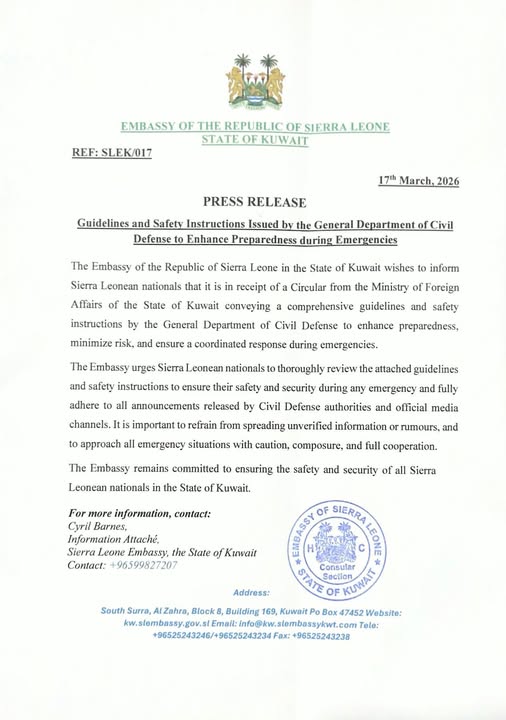
In recent days, accounts emerging from the community paint a troubling picture of individuals stranded between survival and uncertainty, with some reportedly losing both shelter and access to basic needs. Families have been stretched thin across borders, communication has become more urgent than reassuring, and the absence of a structured safety net has made the situation more precarious. The crisis has not only tested their resilience but also raised broader questions about how quickly diaspora populations can become isolated when geopolitical tensions escalate beyond their control.
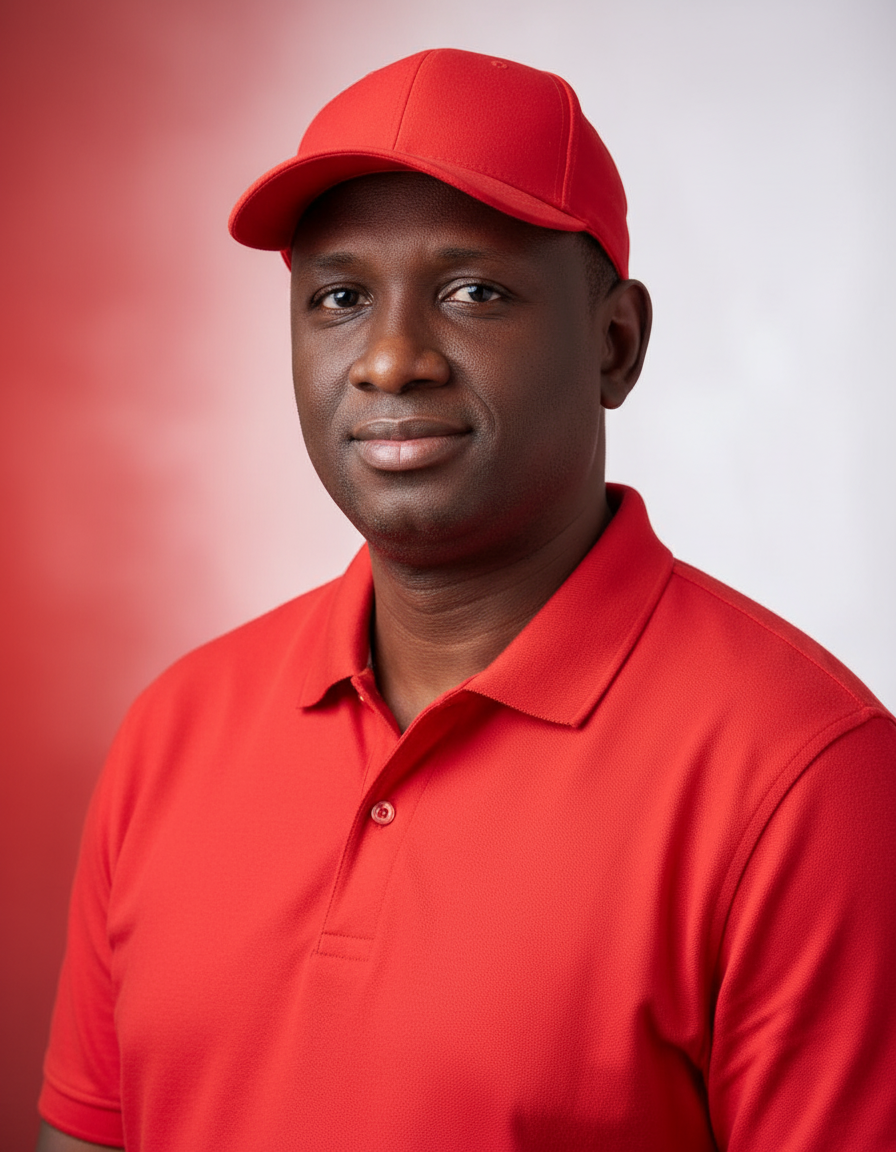
It is within this unfolding situation that Dr. Ibrahim Bangura, a figure already in the conversation around the All People’s Congress (APC) 2028 presidential ticket, moved to provide immediate relief, donating $2,000 to support affected Sierra Leoneans in Kuwait. The funds, coordinated through Alusine Kargbo, the party’s representative in the country, are being directed toward urgent needs such as food, temporary shelter and basic welfare support, offering a measure of relief at a time when options remain limited for many on the ground.
While the intervention does not resolve the broader uncertainties tied to the crisis, it arrives at a moment when those impacted are grappling with both economic hardship and emotional strain. The situation continues to evolve, and for Sierra Leoneans caught in the middle of it, the reality is less about geopolitics and more about daily survival—finding safety, sustaining themselves, and holding on until conditions stabilize or pathways for evacuation and support become clearer.