

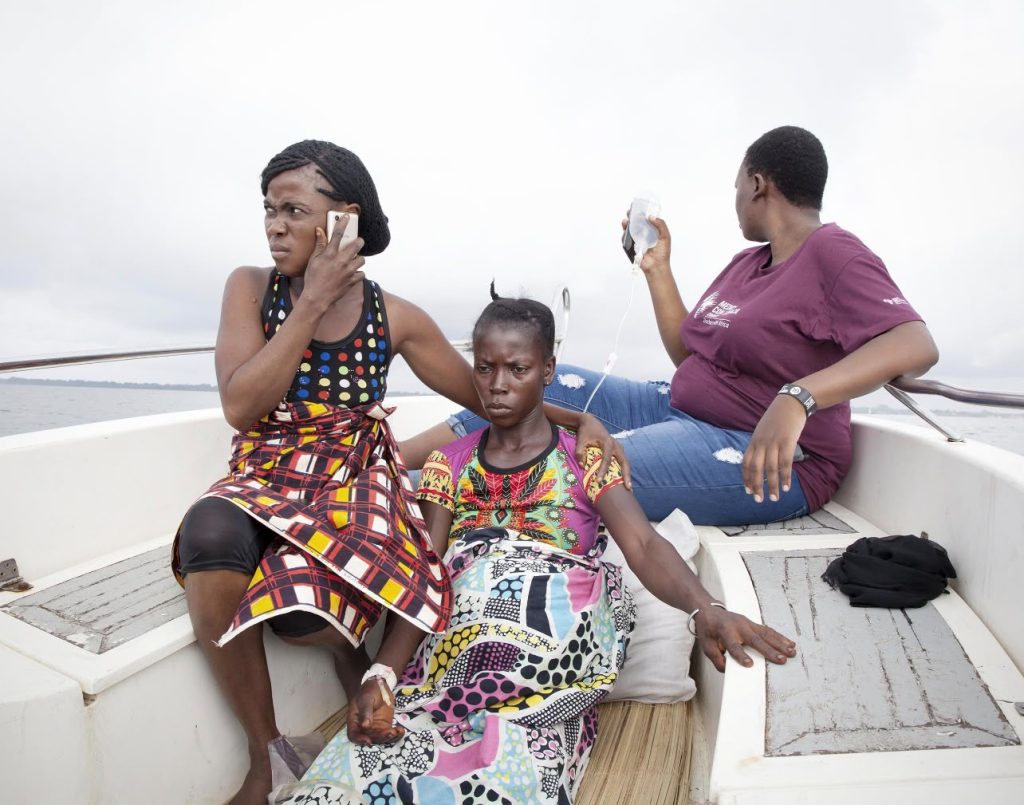
A boat can carry a patient across water, but an emergency begins long before the patient reaches the boat. Someone must recognise the danger, know whom to call, communicate the location, help the patient reach a landing point and ensure that medical care is ready on the other side. If any of these steps fails, even a well-equipped ambulance may arrive too late.
That is why Sierra Leone’s newly commissioned water ambulances deserve recognition, but also sustained public attention. The government has taken an important step towards addressing the geographical barriers that have long affected healthcare access in island and riverine communities. However, commissioning the vessels is only the beginning. Their real value will be determined by how effectively they serve the people who need them.
On November 20, 2026, President Julius Maada Bio commissioned eight government-owned water ambulances in Freetown. According to the United Nations, the initiative is intended to strengthen emergency referrals and routine healthcare outreach across Bonthe, Pujehun, Kambia, Moyamba, Port Loko, Western Area Rural and Western Area Urban.
The initiative also coincided with the introduction of the hepatitis B birth-dose vaccine into Sierra Leone’s routine immunisation programme, providing an additional intervention to protect newborns from mother-to-child transmission of the disease.

These developments address genuine public health challenges. For communities separated from health facilities by rivers, waterways and coastal distances, access to emergency medical services can be a matter of life and death. A pregnant woman experiencing complications, a critically ill child or a patient requiring urgent medical attention should not be disadvantaged simply because of where they live.
Nevertheless, there is an important distinction between providing emergency transportation and establishing a dependable emergency medical service.
The first question is straightforward: Who should a family contact when a medical emergency occurs?
The National Emergency Medical Service operates through the toll-free emergency number 117, which is also intended to serve communities requiring water ambulance assistance. This is an important arrangement, but public awareness must be prioritised. Families in remote communities should know the number, understand how to request assistance and be informed about the procedures that follow an emergency call.
An emergency response system cannot function effectively if the people it is designed to serve do not know how to access it.
The second consideration is what happens between the patient’s home and the water ambulance. Some patients may need assistance reaching designated landing points, particularly those who are seriously ill, elderly, pregnant or physically unable to walk.
The availability of a boat does not automatically resolve the challenges of difficult terrain, poor access routes, darkness or adverse weather conditions. Communities must therefore be involved in identifying safe and accessible boarding points and establishing arrangements for moving patients from their homes to those locations.
Equally important is what happens when the water ambulance reaches its destination.
The patient must be transferred promptly to an appropriate health facility. The receiving medical team should be informed about the incoming patient and, where possible, the nature of the emergency. Existing arrangements involving land ambulances and referral facilities must work seamlessly with the water ambulance service.
Otherwise, a journey that successfully crosses a river could still end in another delay.
This is why the water ambulance programme should be understood as part of a wider emergency healthcare network involving community health workers, district health teams, clinics, hospitals, ambulance operators and local authorities.
Maintenance and operational sustainability also deserve attention. Fuel, trained personnel, functioning communication equipment, safety equipment and reliable maintenance arrangements are essential to keeping the vessels operational.
The government and its development partners should make clear who is responsible for maintaining the boats, financing their operations, monitoring their deployment and communicating service interruptions to affected communities.
These are not accusations of existing failures. They are practical questions that should accompany any major public investment intended to deliver essential services.
The initiative also has an important role beyond emergency transportation. According to the United Nations, the vessels will support the movement of health workers, vaccines and medical supplies to underserved communities.
This is particularly significant following the introduction of the hepatitis B birth-dose vaccine, which is recommended within 24 hours of birth to help prevent mother-to-child transmission and protect newborns against an infection that can cause chronic liver disease.
For families living in geographically isolated communities, introducing a vaccine is only part of the solution. There must also be reliable systems to ensure that healthcare workers, vaccines and other essential supplies reach them on time.
The involvement of Gavi, the Vaccine Alliance, the World Health Organization and UNICEF in supporting the initiative highlights the importance of international partnerships in strengthening Sierra Leone’s healthcare infrastructure.
However, the long-term responsibility for ensuring that these investments deliver sustainable benefits must remain firmly embedded within the country’s health system.
There is also an opportunity to introduce transparent performance monitoring. The public should periodically receive information on emergency referrals completed, outreach visits conducted, operational availability and service interruptions. Such information, presented without compromising patients’ privacy, would help communities understand how the programme is performing and enable authorities to identify areas requiring improvement.
Community health workers and local leaders should also have opportunities to report difficulties encountered by residents when accessing the service. Their experiences can provide valuable information for improving the programme.
There is a particularly important lesson in Mark 2:1–12. When a paralysed man could not reach Jesus because of the crowd, four people carried him and found another way through the roof. Their faith was demonstrated through coordinated action on behalf of someone who could not overcome the obstacles alone.
The lesson for public healthcare is not that goodwill can replace medical expertise. Rather, it is that the responsibility to help someone in need does not end when the first obstacle is encountered.
That principle should guide the expectations surrounding Sierra Leone’s new water ambulances. They must be more than vessels showcased during official ceremonies. They should become reliable links in a healthcare system that connects isolated households to timely and appropriate medical attention.
Sierra Leone has taken an important step towards bringing healthcare closer to communities that have historically faced geographical barriers. The next responsibility is to ensure that the investment translates into dependable services, effective coordination and improved access to medical care.
Ultimately, the success of the water ambulances should not be measured by the number of boats commissioned or the photographs taken during their inauguration. It should be measured by the number of people who can now reach medical care when they need it most.
A water ambulance has truly fulfilled its purpose when a patient reaches the right healthcare facility in time.
And that rescue begins long before the boat reaches the shoreline.