
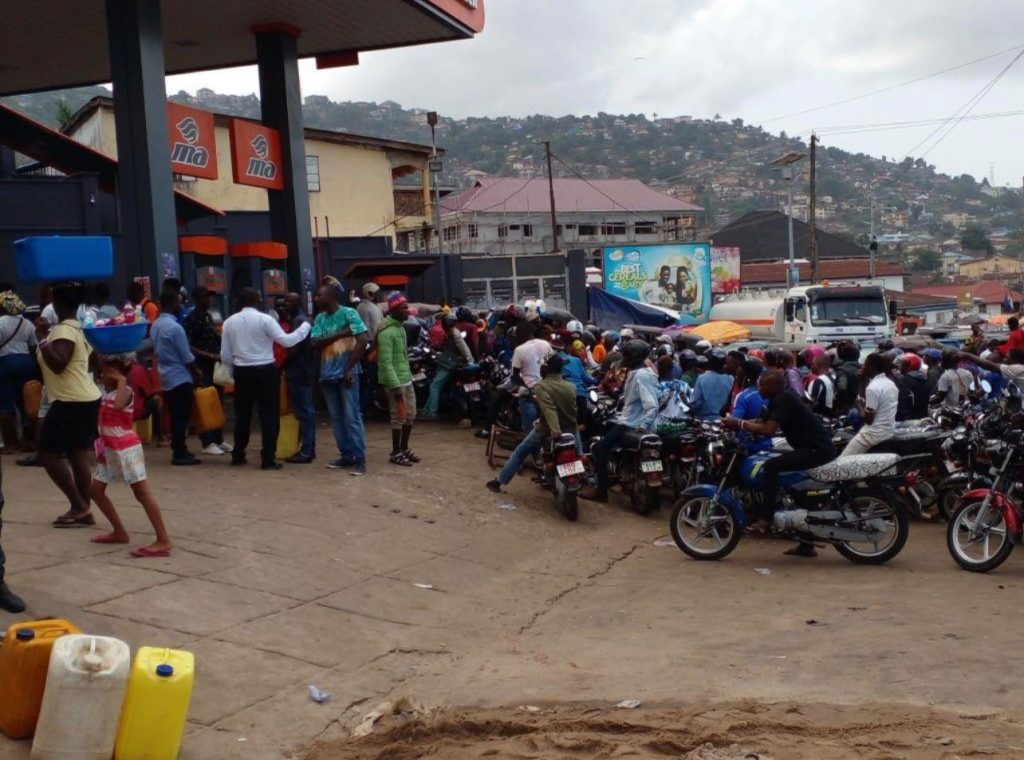
Sierra Leone is grappling with a fresh fuel supply crisis, with shortages of petrol triggering long queues at filling stations, disrupting transportation and placing additional pressure on motorists, businesses and ordinary citizens across the country.
The shortage, which has particularly affected petrol availability, has been reported in Freetown and other major towns, including Bo, Kenema and Makeni. Some filling stations have reportedly run out of stock or resorted to rationing sales, leaving motorists struggling to access fuel.
The situation has also contributed to the emergence of a parallel market, with reports of petrol being sold at significantly higher prices in some provincial areas. In parts of the country, black-market prices have reportedly reached as high as NLe80 per litre, double the regulated pump price of NLe40.
The Government has attributed the supply disruption largely to difficulties faced by Oil Marketing Companies (OMCs) in accessing sufficient foreign exchange, particularly US dollars, to settle payments with international petroleum suppliers.
Sierra Leone relies on imported petroleum products, which are purchased internationally in US dollars but sold locally in Leones. According to the Government, limited access to foreign currency has delayed payments for new shipments, affecting the timely replenishment of national fuel stocks.

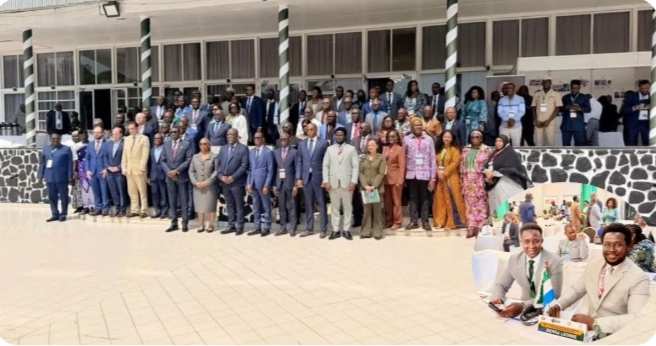
In a statement issued on November 23, the Ministry of Information and Civic Education acknowledged the inconvenience caused by the shortages and announced measures to address the situation. These include engagements with commercial banks, the National Petroleum Regulatory Authority (NPRA) and oil marketing companies to improve access to foreign exchange and facilitate payments for fuel imports.
The Government also disclosed that initial foreign exchange support, including assistance with Letters of Credit, had been facilitated to help importers secure additional petroleum supplies.
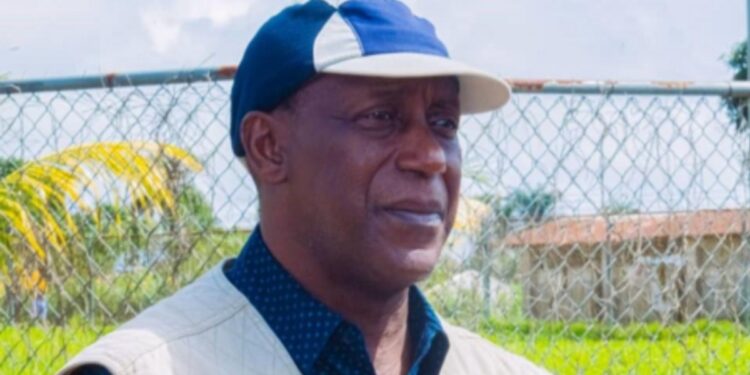
Speaking during the Ministry’s weekly press briefing at the Miatta Civic Centre on November 24, Information and Civic Education Minister Chernor Bah apologised to citizens for the hardship caused by the prolonged queues and fuel shortages.
The Minister assured the public that the Government had no plans to increase regulated fuel pump prices before the end of 2026. He also expressed optimism that additional shipments and ongoing interventions would gradually improve supply conditions and ease the queues.
Meanwhile, the NPRA is expected to intensify monitoring of fuel stocks, distribution networks and retail operations to prevent hoarding, artificial scarcity and unauthorised price increases.
The regulator’s published stock data for the week of November 11 showed that available petrol stocks provided approximately 1.9 weeks of national supply, with a projected stock-out date of November 22 in the absence of replenishment. Diesel stocks, meanwhile, provided approximately 4.9 weeks of supply, highlighting the particular pressure on petrol availability.
Although the Government says additional supplies are arriving and distribution is being addressed, the situation has continued to raise concerns about the reliability of the country’s petroleum supply chain.
For ordinary Sierra Leoneans, the consequences extend beyond the difficulty of purchasing fuel. Transportation costs, commercial activities, movement of goods and access to essential services are all vulnerable to prolonged disruptions in petroleum supply.
As the country approaches the festive season, when travel and commercial activities traditionally increase, restoring stable and uninterrupted fuel distribution remains an important priority.
The Government has appealed for public patience while it continues working with financial institutions, petroleum importers and other stakeholders to normalise supplies across the country.