

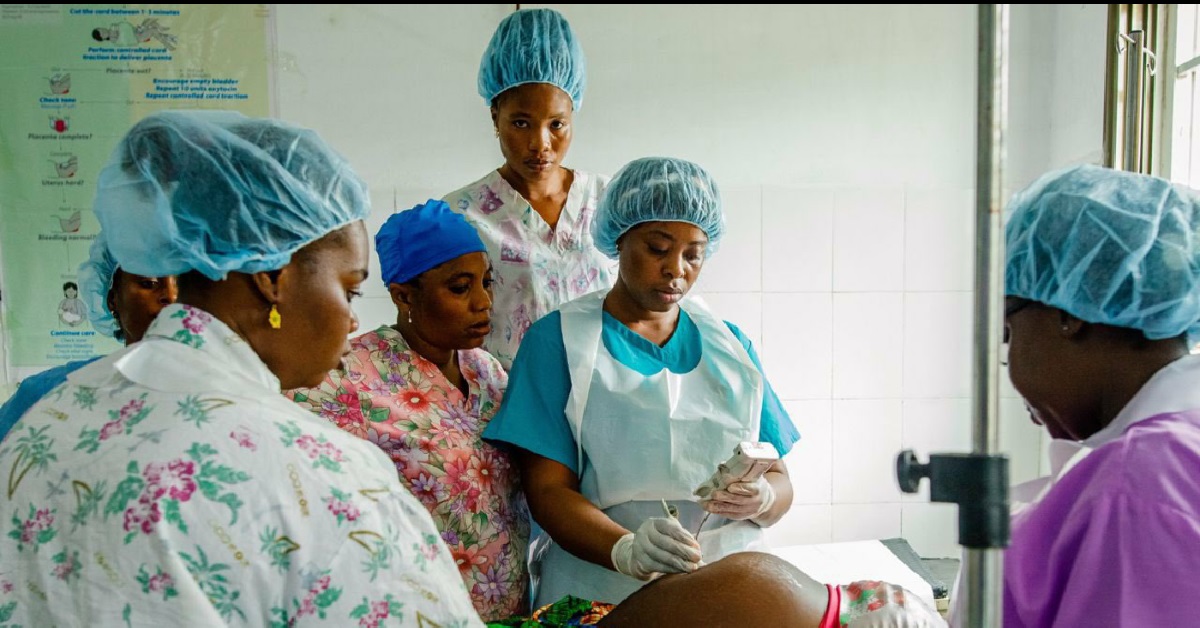
Lives of mothers and babies are at risk as the UK cuts tens of millions of pounds in health grants
Sierra Leone, one of the countries with the highest maternal mortality rates in the world, is facing a major setback following deep cuts to United Kingdom aid, including the near-total withdrawal of funding for maternal and newborn health programmes.
The UK government has been accused of quietly slashing almost all aid to Sierra Leone, marking one of the first concrete examples of how plans to reduce Britain’s global development budget by 40 per cent are being implemented. Among the hardest hit is a £35 million grant dedicated to maternal and newborn health, which is now set to be reduced to just £1 million by 2027 before being completely shut down.
The UK-funded programme had been providing life-saving support across Sierra Leone’s health system, including essential medicines, hospital training, improved access to blood supplies, and testing for preventable pregnancy-related complications such as pre-eclampsia — a serious condition linked to high blood pressure and a leading cause of maternal death.
The programme is run by a consortium of international charities, including Concern Worldwide and Helen Keller International. Its sharp funding reduction has raised alarm among global health experts and development advocates.
Pete Baker, Deputy Director of Global Health Policy at the Center for Global Development, told The Independent that the cuts to country-level grants were happening “quite quietly behind the scenes.”

“You would hope there would be more transparency around cuts of this scale, especially when lives are clearly at stake,” Baker said.
Although the Foreign, Commonwealth and Development Office (FCDO) had previously indicated that some countries would lose aid entirely, it has released limited details on how the reductions would affect individual nations.
With a significantly reduced aid budget, the FCDO is now prioritising contributions to large international funding mechanisms such as Gavi, the global vaccine alliance, and the Global Fund to Fight AIDS, Tuberculosis and Malaria. While these programmes have also faced cuts, they are far smaller than the overall 40 per cent reduction imposed on the aid budget.
The UK government has also pledged to maintain funding for humanitarian responses in Gaza, Ukraine and Sudan. After these commitments, however, little funding remains for direct bilateral support to other vulnerable countries, including Sierra Leone.
Another component of the Sierra Leone grant, delivered through UNICEF, is expected to end in March. This part of the programme supported the procurement of essential medicines for pregnancy and childbirth and helped establish special care baby units for sick and premature newborns. The sudden end of this funding raises serious concerns about how the Sierra Leonean government will absorb the additional financial burden.
UNICEF’s spokesperson in Sierra Leone, Suzanne Wooster, warned that the reductions could disrupt critical services at a dangerous moment.
“Reductions in funding for newborn and child health risk disrupting essential services at a critical time,” Wooster said. “UNICEF continues to work closely with the Government of Sierra Leone and partners to mitigate the impact and safeguard the gains made for children and newborns.”
Mr Baker acknowledged that difficult choices are inevitable with a smaller aid budget but stressed that Sierra Leone’s situation is particularly severe.
“This is one of the poorest countries in the world,” he said. “It has extremely high maternal and child mortality rates.”
The FCDO was expected to publish a detailed breakdown of where aid cuts would fall over the next three years during the autumn, but this has been delayed and is now unlikely to appear until next year.
In a statement, an FCDO spokesperson said the UK remains committed to defending sexual and reproductive health and rights and will continue working with international partners to support women and girls. However, the department also emphasised the need to “modernise our approach to development to reflect the changing global context.”
The UK government noted that it has invested more than £187.9 million in Sierra Leone’s health system over the past decade.
Despite this, Mr Baker warned that the scale of the current cuts risks undermining the UK’s long-standing reputation for leadership in global health and transparency in aid decision-making.
“Sierra Leone has historically been a very high priority for UK aid, and it is now facing some extremely severe cuts,” he said. “This is something the public deserves to fully understand.”
This report is published as part of wider global discussions on the future of international development aid.