

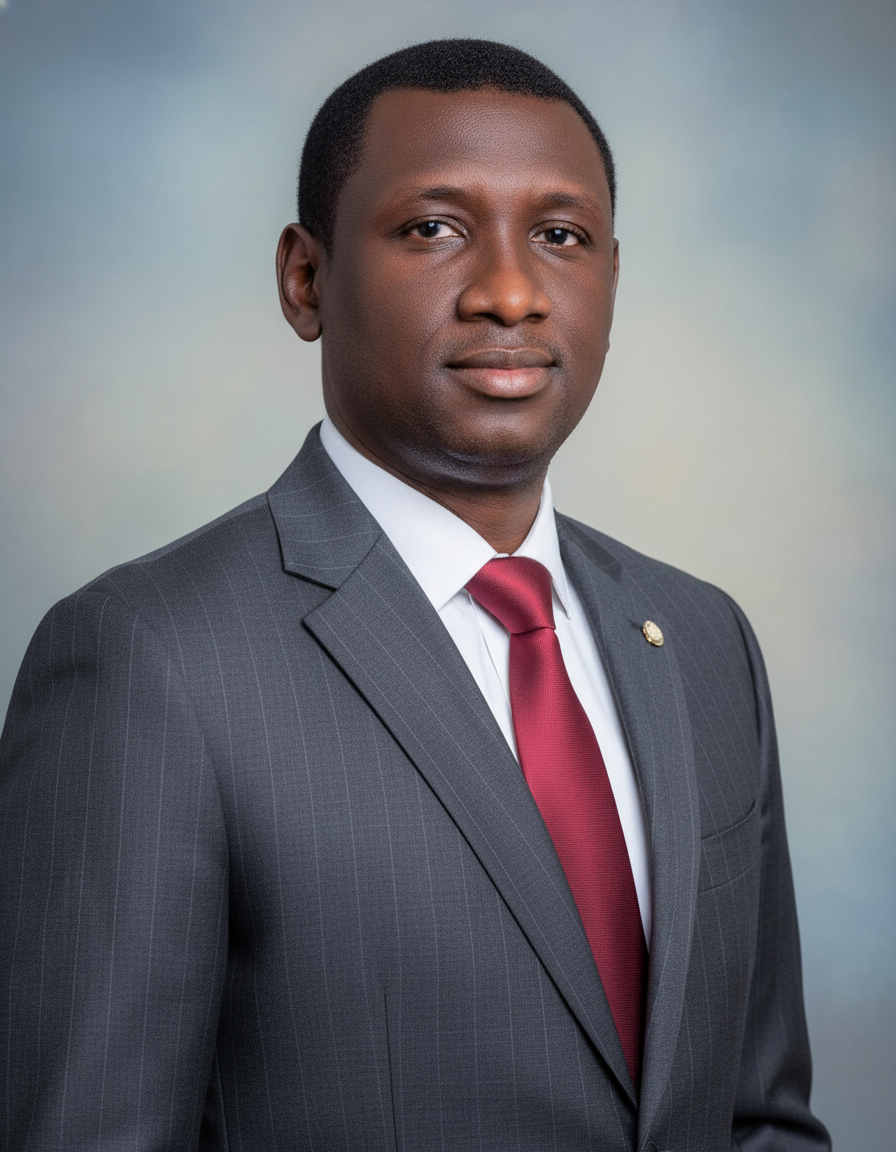
An All People’s Congress (APC) presidential aspirant, Dr. Ibrahim Bangura, has released an open letter addressing the growing challenges facing young people in Sierra Leone, with particular focus on youth exclusion, unemployment, and the country’s worsening drug crisis.
The letter, titled “An Open Letter to the Young People of Sierra Leone,” reflects on the social and economic pressures confronting youths and calls for greater inclusion of young people in national decision-making processes.
In the letter, Dr. Bangura describes the drug crisis especially the spread of kush as a national issue that cuts across families, political affiliations, and communities. He recounts a personal experience involving a close family member affected by drug abuse, using it to highlight the emotional and social toll the crisis has placed on households across the country.
According to him, the impact of drug abuse cannot be viewed in isolation, but must be understood within a broader context of youth frustration, unemployment, and the lack of structured support systems.
“When education does not lead to opportunity, frustration takes its place,” Dr. Bangura stated, emphasizing the link between unemployment and social discontent among young people.
He traced part of the problem to the lingering effects of the civil war, arguing that while the conflict officially ended in 2002, its social and psychological consequences remain visible. He noted that many young people grew up in an environment where expectations of peace dividends were unmet, leading to feelings of marginalization and disconnection from the state.

Dr. Bangura also referenced the emergence of Ataya Bases, informal gathering points for youths as a response to exclusion. He described these spaces as platforms where young people discuss their challenges, aspirations, and frustrations, often filling gaps left by formal political and civic institutions.
In his message, Dr. Bangura urged the state to adopt a more comprehensive approach to youth development, including investment in education, agriculture, value-chain industries, and employment-generating sectors. He argued that without deliberate policies targeting youth inclusion, frustration would continue to grow.
Beyond policy suggestions, the letter encourages young people to take a more active interest in governance and political processes. He noted that complaints about poor infrastructure, policing, healthcare, and unemployment reflect an understanding of governance and public administration, and therefore should motivate participation rather than disengagement.
“Ignoring politics is like ignoring your own life, your family, and your home,” he wrote, stressing that political decisions have direct consequences on everyday living conditions.
While not directly referencing electoral ambitions, the letter advises young people to be deliberate and thoughtful in choosing those who represent them, urging peaceful engagement and civic responsibility rather than anger or violence.
Dr. Bangura further highlighted the importance of citizenship, describing it as a sense of belonging, voice, and stake in society. He maintained that national progress depends largely on whether young people see themselves as stakeholders rather than spectators.
The letter has since circulated widely on social media platforms and WhatsApp groups, sparking discussions around youth participation, governance, and the country’s approach to addressing drug abuse and unemployment.
Observers note that the intervention adds to the ongoing national conversation on youth development and the role of leadership in addressing structural challenges facing Sierra Leone’s young population.