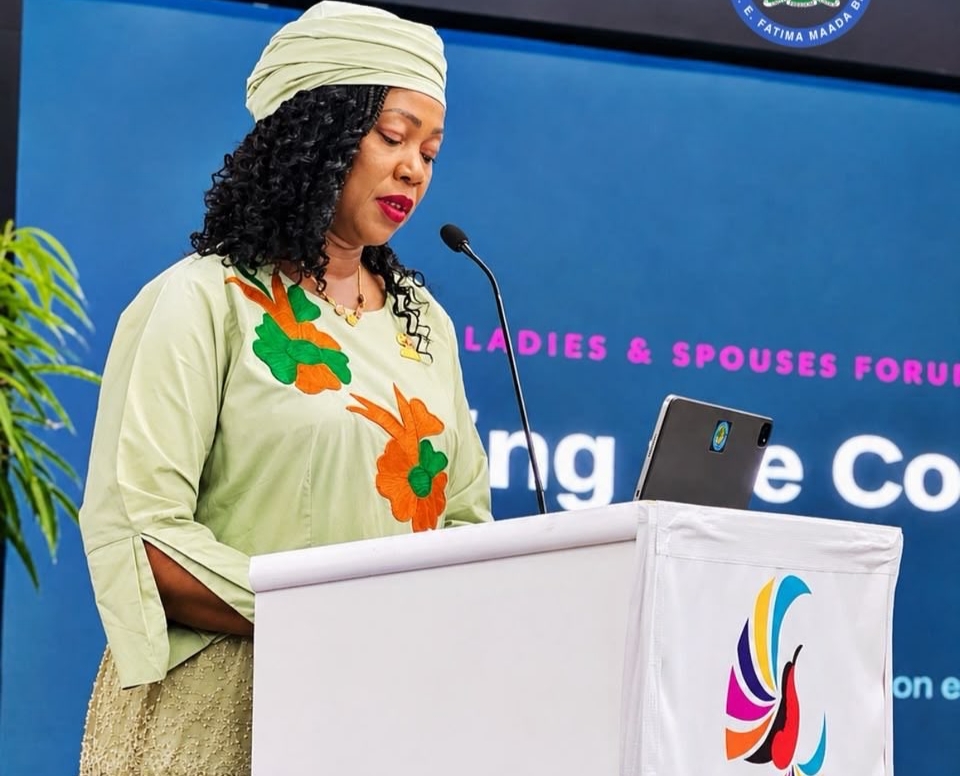

A call has been made for stronger collective action across Commonwealth member states to prioritise cancer prevention, expand early detection programmes and improve access to treatment, particularly for women.
The appeal was made by Fatima at the Women’s Cancer Conference held on the sidelines of the Commonwealth Heads of Government Meeting (CHOGM) in Antigua and Barbuda on Wednesday.
Addressing participants, Fatima said cancer prevention must become a shared national and international priority rather than being treated solely as a responsibility of the health sector.
She noted that cancer continues to claim lives, devastate families and place considerable pressure on healthcare systems, despite the availability of preventive measures and interventions that can improve survival rates when diseases are detected early.
According to her, increased public awareness, vaccination, regular screening and timely access to healthcare remain essential to reducing the impact of cancer, particularly among women.

She described cancer prevention as more than a public health intervention, arguing that it represents an investment in human dignity, stronger families and sustainable national development.
Fatima said the Commonwealth, with its 56 member countries and an estimated population of 2.7 billion people, has a significant opportunity to coordinate efforts, mobilise resources, exchange expertise and strengthen partnerships to address the growing cancer burden.
She called on Commonwealth governments to translate existing commitments into adequately funded national programmes, with particular emphasis on expanding human papillomavirus (HPV) vaccination, strengthening breast and cervical cancer screening, improving public education and investing in early diagnosis.
She also stressed the importance of ensuring that access to cancer prevention and treatment is not determined by a woman’s income or geographical location.
Beyond policy commitments, Fatima urged Commonwealth leaders to establish measurable targets and accountability mechanisms to ensure that promises made at international meetings translate into tangible improvements in healthcare delivery.
She maintained that progress should be measured not by declarations made at conferences but by the number of women protected, lives saved and communities reached through effective prevention and treatment programmes.
“The Commonwealth must move from conversation to coordination, from commitments to implementation, and from promises to lives saved,” she said.
Her remarks add to growing calls for greater investment in women’s health and stronger international cooperation in tackling cancer, particularly breast and cervical cancer, which remain major public health concerns in many countries.