

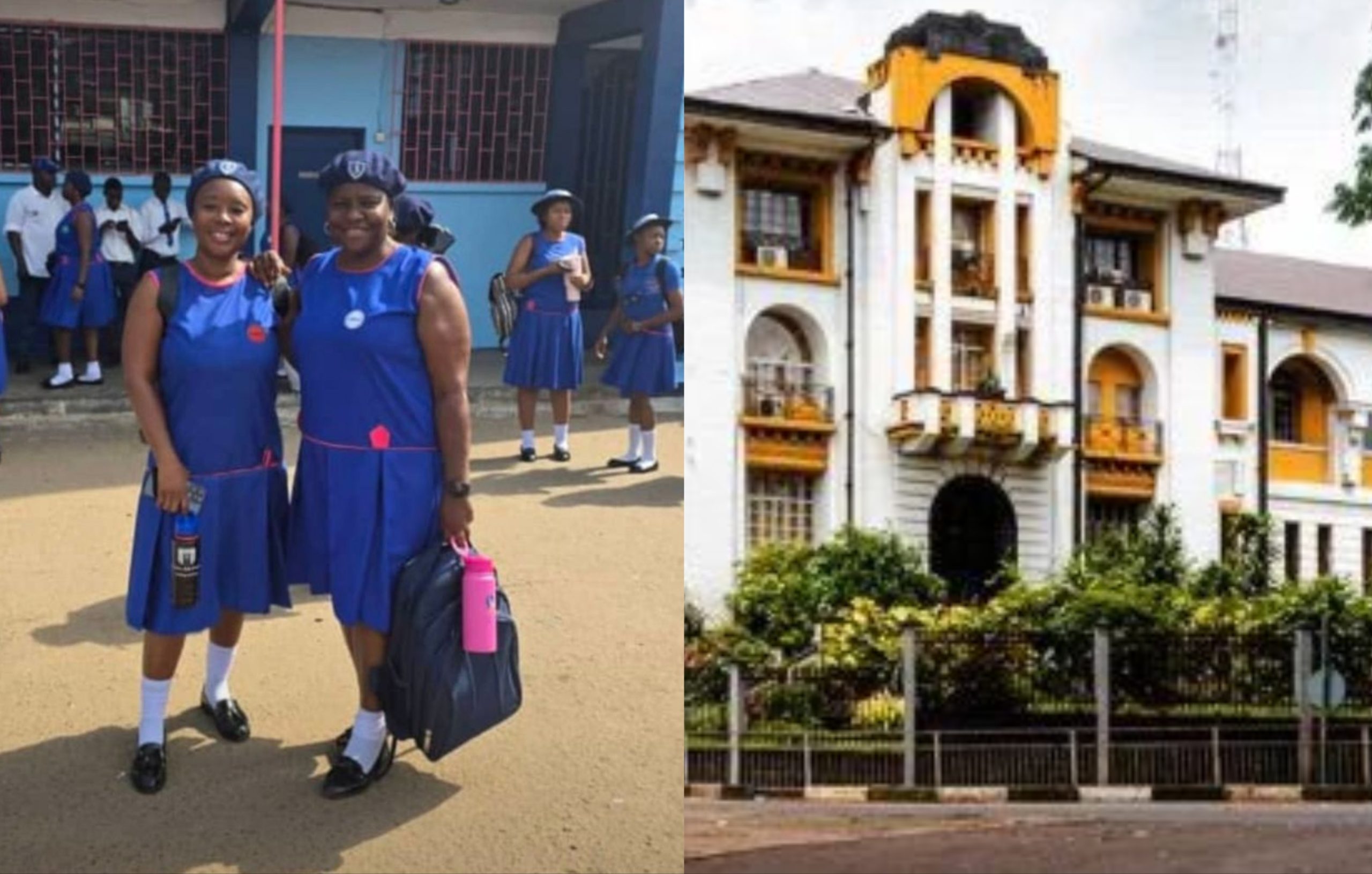
Freetown, Sierra Leone – The Supreme Court of Sierra Leone has refused an application for an interim injunction filed by a group of former pupils of St Joseph’s Convent Secondary School in the ongoing dispute over dress code rules for the school’s 160th Anniversary celebrations.
The matter was heard on Thursday before a panel presided over by Justice Komba Kamanda, alongside Justices Alusine Sesay and Tonia Barnett.
Lawyer Osman Jalloh Esq appeared for the plaintiffs, while M.C.L. Stronge Esq represented the 2nd to 6th defendants.
The plaintiffs had sought an urgent interim injunction to prevent organisers from excluding or banning them from participating in the St Joseph’s 160th Anniversary Thanksgiving Service and march past over their proposed modest attire, described in court filings as a long dress and minimal head covering.
Following arguments from both parties, the court stood down the matter for several hours before returning with its decision.

Delivering the ruling, the court stated: “Considering the urgency of the matter, the interim injunction is hereby refused.”
The judges further noted that a detailed ruling would be issued at a later date.
The matter was subsequently adjourned, with the court indicating that notice of the next hearing date would be communicated to the parties.
The case was brought by five plaintiffs, including Prof. Isatta Wurie, who contend that enforcement of the dress code amounts to discrimination and violates constitutional rights relating to freedom of conscience and equal treatment.
The plaintiffs maintain that their action is not intended to stop or disrupt the thanksgiving celebrations, but rather to secure their right to participate while wearing what they describe as modest attire.
The legal dispute has drawn significant public attention in recent weeks, with debate focusing on whether rules set by the St Joseph’s Convent Secondary School Ex-Pupils’ Association can lawfully exclude members from taking part in a major public anniversary event.
Despite the refusal of the interim injunction, the substantive constitutional issues raised in the matter remain before the Supreme Court for determination.