


Leaders of Guinea, Liberia, and Sierra Leone have reaffirmed their commitment to regional peace and stability following the conclusion of a high-level Tripartite Summit on border disputes held in Conakry.

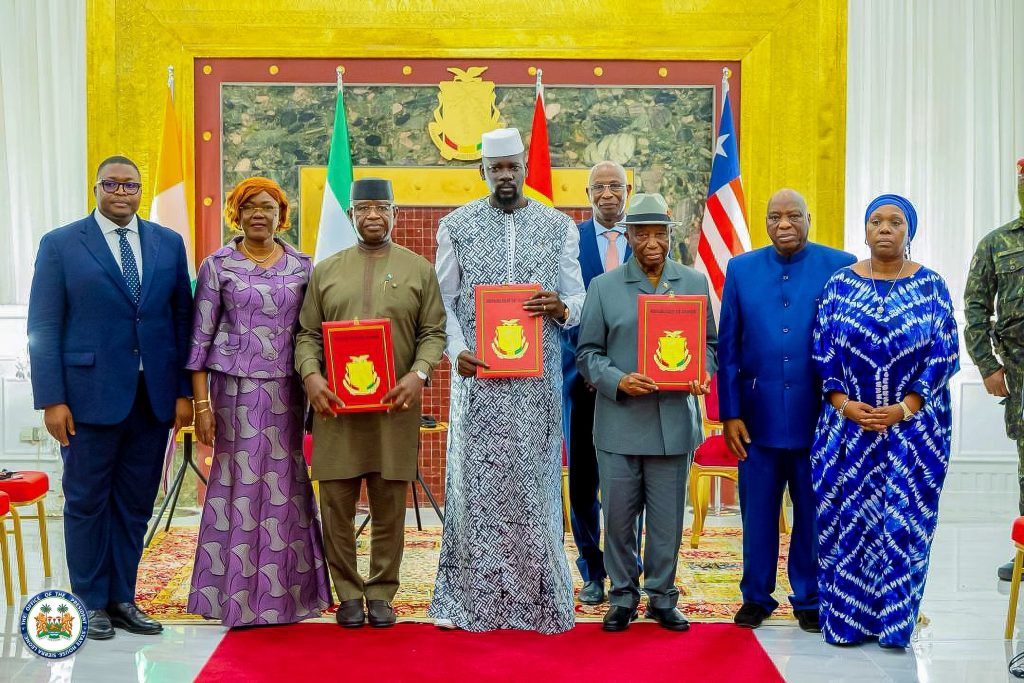
The summit brought together Mamadi Doumbouya, Joseph Nyumah Boakai, and Julius Maada Bio, in what has been described as a timely diplomatic intervention aimed at de-escalating rising tensions along their shared borders.
The meeting comes against the backdrop of recent disputes along the Guinea–Liberia border, particularly in areas surrounding the Makona River, which serves as part of the natural boundary between the two countries. Tensions escalated after reports emerged that Guinean security forces had moved into a contested zone, reportedly halting local construction activities and removing a Liberian flag from the area.
The incident sparked concern within Liberia, prompting reactions from local authorities and drawing national attention to longstanding ambiguities surrounding sections of the border. While the Guinea–Liberia boundary has historically been defined through colonial-era agreements, certain segments remain poorly demarcated, leaving room for periodic misunderstandings and disputes.
Given the proximity of Sierra Leone to the affected region—and its shared historical, cultural, and economic ties with both countries—there were growing concerns that unresolved tensions could spill over, affecting cross-border communities and trade routes within the Mano River basin.
Security experts have long warned that even minor border disagreements in the region, if not quickly addressed, carry the risk of escalating due to the complex history of the Mano River Union countries, which have previously experienced civil conflicts and fragile post-war recoveries.

The Conakry Summit
In response to the situation, the three Heads of State convened in Conakry for urgent talks focused on de-escalation, dialogue, and long-term conflict prevention.
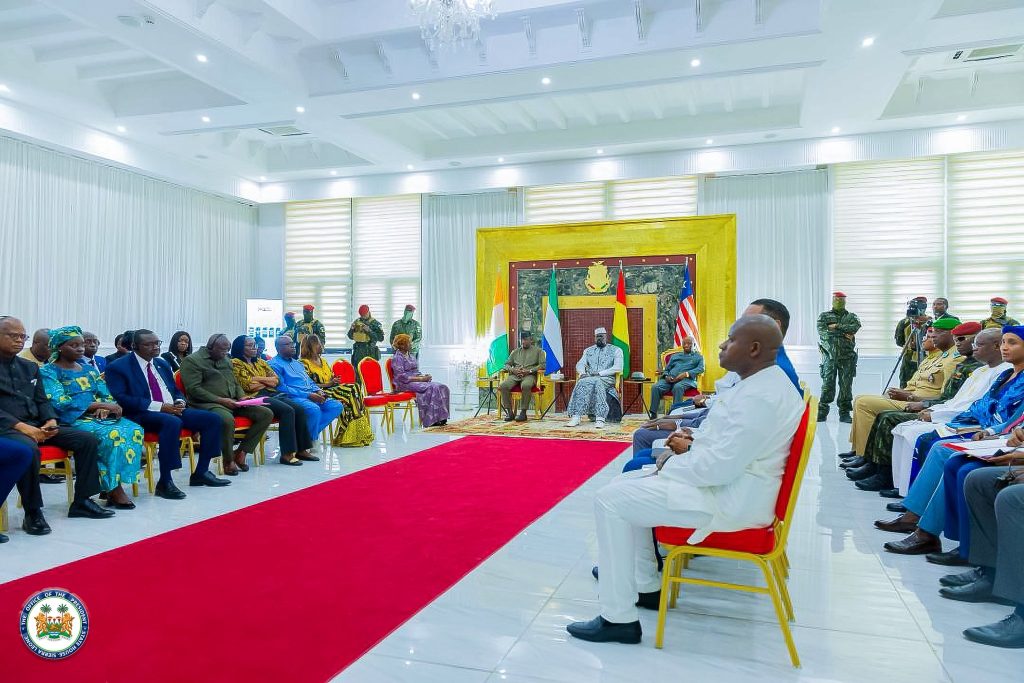
At the conclusion of the summit, the leaders issued a joint position reaffirming their “shared commitment to maintaining stability along our borders, promoting security cooperation, and strengthening the bonds of neighborliness among our three nations.”
President Boakai expressed appreciation for the spirit of cooperation that characterized the discussions, specifically acknowledging the openness and camaraderie demonstrated by President Doumbouya and President Bio throughout the engagement.
The leaders emphasized that the preservation of peace remains a top priority and that disputes must be addressed through diplomatic and institutional channels rather than unilateral actions.
Key Agreements and Resolutions
During the closed-door deliberations, the leaders agreed on several immediate and long-term measures, including:
• Strengthening joint border security operations to prevent unauthorized movements and misunderstandings
• Enhancing intelligence sharing among security agencies of the three countries
• Activating joint boundary commissions to clarify and properly demarcate disputed areas
• Promoting dialogue between local authorities and border communities to reduce tensions at the grassroots level
The summit also reinforced the importance of regional cooperation frameworks, particularly within the Mano River Union and the Economic Community of West African States (ECOWAS), in managing cross-border issues.
Broader Implications
Analysts note that the Conakry meeting reflects a proactive approach by West African leaders to prevent isolated incidents from escalating into broader regional crises. The Mano River region, which includes Guinea, Liberia, and Sierra Leone, shares deep historical ties but also a legacy of conflict that underscores the importance of sustained peacebuilding efforts.
Cross-border areas in the region are not only politically sensitive but also economically vital, serving as hubs for trade, agriculture, and movement of people. Any instability in these zones has the potential to disrupt livelihoods and undermine fragile economic recovery efforts.
Path Forward
Following the summit, technical teams comprising security officials and boundary experts are expected to engage in follow-up meetings to implement the resolutions reached by the leaders.
There are also indications that confidence-building measures will be introduced among border communities to foster trust and cooperation, particularly in areas directly affected by the recent tensions.
Despite the challenges, the leaders maintained that their nations remain bound by shared history, cultural connections, and mutual economic interests. They reiterated that peaceful coexistence and collaboration remain the only viable path forward.
The outcome of the Conakry summit is widely seen as a significant diplomatic step toward easing tensions and reinforcing stability in one of West Africa’s most strategically important regions.