

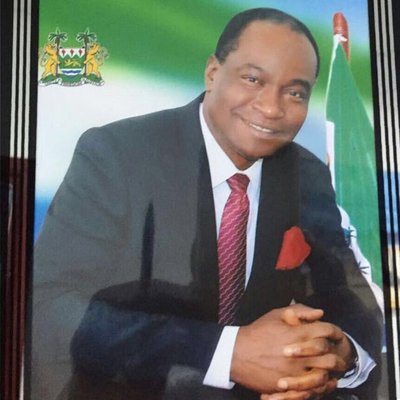
H.E. Dr. Samura Mathew Wilson Kamara has drawn public attention following the delivery of medical supplies and equipment to several community health facilities in Karene District, an intervention that has sparked renewed discussion around rural healthcare infrastructure and service delivery in Sierra Leone.

According to accounts from his team, dozens of hospital mattresses, along with medications and other medical equipment, were distributed to eight health facilities across the district. The initiative, carried out through aides acting on behalf of Dr. Kamara, was aimed at improving conditions in facilities that have long faced challenges related to capacity and resources.
The arrival of the supplies was met with visible appreciation from local residents, with reports describing emotional scenes of song, dance, and gratitude from communities that have reportedly struggled with limited access to adequate healthcare services. Many residents noted that the intervention addressed long standing deficiencies within their local health centers, where basic equipment and infrastructure have often been insufficient to meet growing demands.
During the distribution, representatives of Dr. Kamara emphasized that the gesture forms part of a broader commitment to supporting healthcare delivery at the community level. They indicated that the intervention should not be viewed as a one off action, but rather as an ongoing effort to strengthen access to essential services in underserved areas.
The development has also attracted commentary from supporters and advocates who link the outreach to broader political and social narratives. Some have described the action as evidence of leadership responsiveness, particularly in the context of national discussions around governance and service delivery. Local chiefs and elders in the affected communities reportedly expressed appreciation for the intervention and pledged their continued support, highlighting the strong relationship between community leadership and external actors providing assistance.
However, the situation also underscores deeper structural concerns within Sierra Leone’s healthcare system, particularly in rural districts like Karene, where access to well equipped health facilities remains a significant challenge. Observers note that while such interventions provide immediate relief, they also raise questions about the sustainability of healthcare provision and the extent to which state institutions are able to meet basic public health needs without external support.

As communities continue to respond positively to the donations, the broader conversation remains focused on how to ensure that healthcare delivery becomes more consistent, institutionalized, and less dependent on periodic interventions. For many, the developments in Karene serve as both a moment of relief and a reminder of the urgent need for systemic improvements in the nation’s healthcare infrastructure.