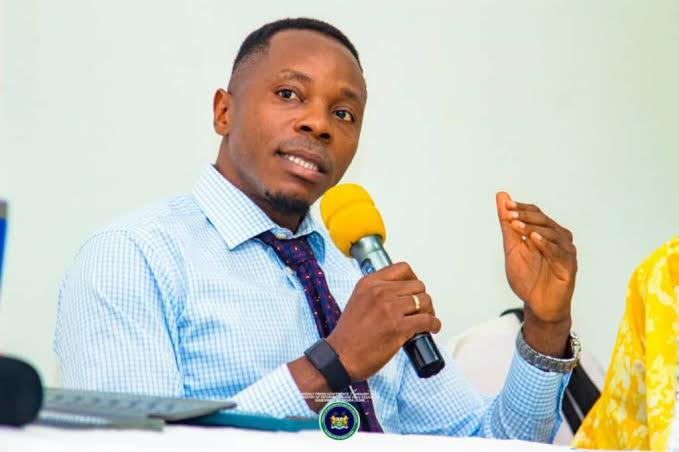

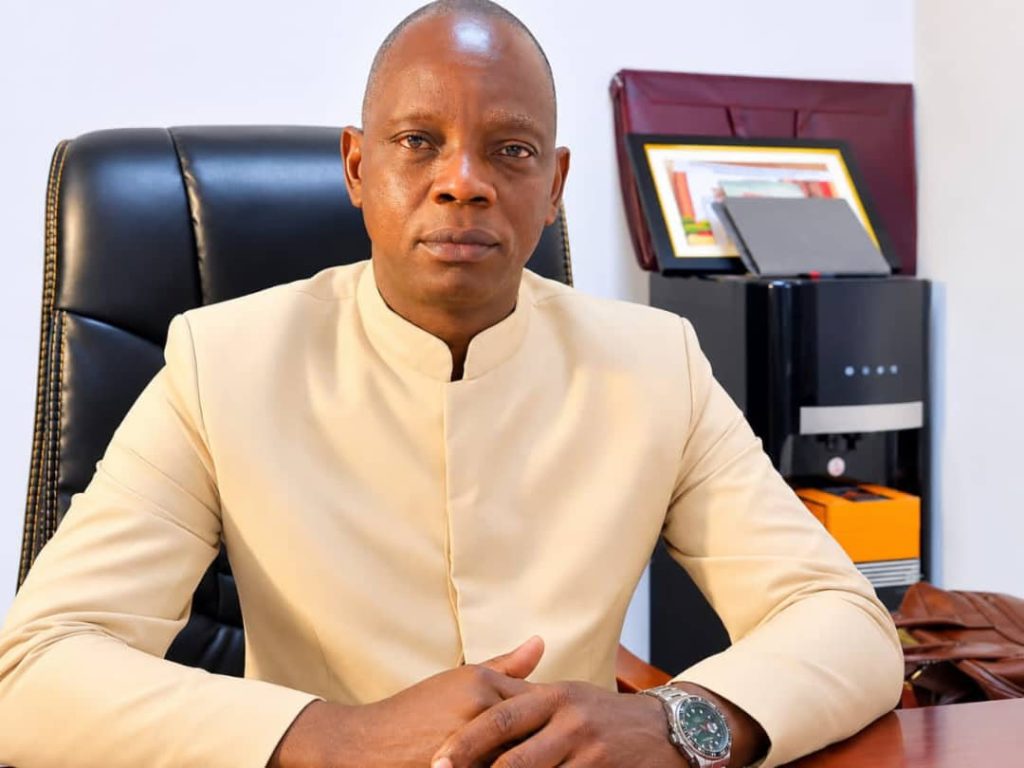
Deputy Opposition Leader of the All People’s Congress (APC), Hon. Daniel Koroma, has challenged the government to strengthen tax enforcement, recover outstanding revenue from defaulting companies and address financial leakages in the extractive sector as part of efforts to reduce Sierra Leone’s dependence on borrowing.
Koroma made the call while contributing to parliamentary debate on the Finance Bill 2027, stressing that the success of the proposed fiscal reforms would depend not only on introducing new taxes but also on enforcing existing laws and ensuring accountability across government institutions.
He commended the Minister of Finance for the proposed reforms, urging him to remain committed to improving the country’s financial management despite the challenges associated with implementing public-sector reforms.
A major concern raised by the APC lawmaker was the alleged failure of seven companies operating in the extractive sector to meet their tax obligations, with outstanding liabilities reportedly exceeding US$1 million.
He welcomed the government’s decision to suspend the operations of companies that had failed to fulfil their statutory tax responsibilities, urging the Finance Minister to ensure that all outstanding liabilities, including applicable interest and penalties, were recovered.

Koroma maintained that companies should not be allowed to continue benefiting from their business operations while neglecting their financial obligations to the state.
He also called for a comprehensive assessment of the financial value of tax exemptions, concessions and waivers granted to companies and individuals, arguing that Parliament needed accurate information to determine whether such incentives were delivering the intended economic benefits.
He clarified that the objective should not necessarily be to abolish all tax exemptions but to ensure that they were properly justified, monitored and beneficial to the national economy.
The APC Deputy Opposition Leader further expressed support for reforms aimed at strengthening domestic revenue mobilisation, noting that improved tax collection would give government greater capacity to finance development programmes and reduce its reliance on domestic and external borrowing.
On state-owned enterprises, Koroma cautioned against imposing excessive financial demands on institutions expected to operate commercially and generate revenue.
He advocated a balanced approach that would enable such institutions to meet their obligations to government while retaining sufficient resources to sustain their operations.
He also emphasised the importance of improved cash management, financial discipline and timely payments to suppliers, contractors and service providers.
Addressing local taxation, Koroma questioned the effectiveness of extending the proposed local tax collection period from five to ten years without first addressing existing compliance challenges.
He argued that government should prioritise effective collection and enforcement rather than simply extending the period for recovering outstanding taxes.
In a further proposal, he suggested that government consider linking proof of local tax payment to voter registration as a possible means of encouraging compliance among citizens and property owners, particularly in the Western Area.
On the proposed introduction of prepaid electricity meters, Koroma supported efforts to improve revenue collection in the electricity sector but cautioned against discontinuing existing payment arrangements before adequate prepaid meters were made available.
He stressed that consumers should not be subjected to unnecessary difficulties during the transition, urging government to ensure that the required equipment and arrangements were in place before implementation.
Koroma also welcomed the proposed performance-based revenue targets and incentives for Ministries, Departments and Agencies (MDAs), but called for targets to reflect the actual capacity, responsibilities and revenue-generating opportunities of individual institutions.
He maintained that transparent and evidence-based assessments would be necessary to ensure fairness and encourage improved institutional performance.
Concluding his contribution, Koroma reiterated that strengthening domestic revenue mobilisation required firm enforcement of tax laws, accountability in the extractive sector, proper monitoring of tax exemptions and improved financial management across public institutions.
He described the Finance Bill 2027 as an opportunity to address longstanding weaknesses in revenue administration and reduce the country’s dependence on borrowing.
The APC Deputy Opposition Leader expressed his willingness to support the proposed reforms as the Bill proceeds to the Committee Stage for further scrutiny and recommendations.