

By Deborah Sorie
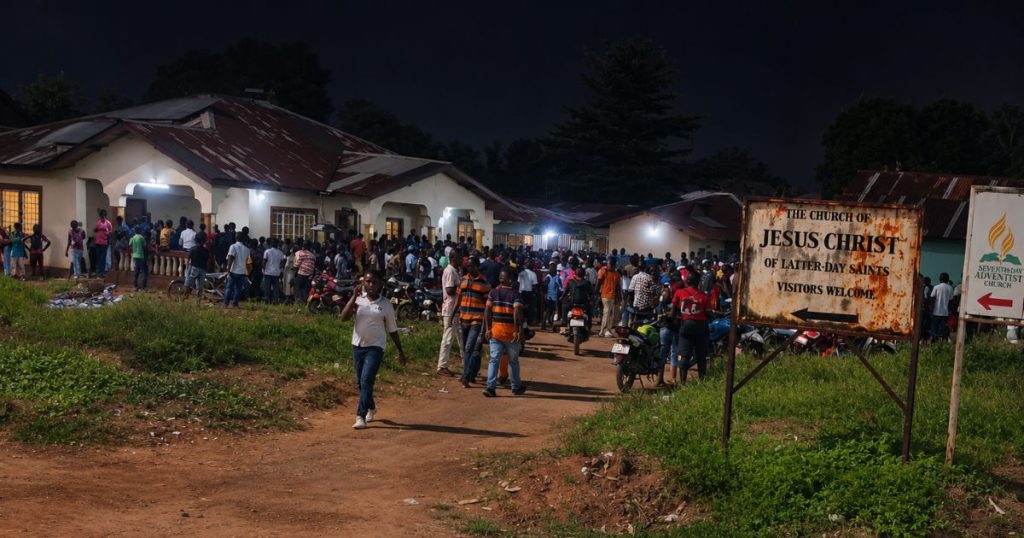
Some trainees participating in Sierra Leone’s 2026 Population and Housing Census training programme have expressed frustration after reportedly waiting until 2:00 a.m. at the Statistics Sierra Leone (Stats SL) district office in Pujehun without receiving their training allowances.
In a complaint shared on social media on Monday, November 23, one of the affected trainees said participants had gathered at the Pujehun Statistics Office since morning to collect their allowances, but several remained unpaid hours later.
According to the trainee, the payment team explained that those affected could not receive their money because their names were missing from the payment list.
The complainant said the situation was particularly disappointing given that participants had spent 13 days at the training centre, sacrificing their time and making themselves available to serve the country.

The trainee further expressed frustration over having to remain at the office until the early hours of Tuesday without receiving the expected payment.
“We deserve clear explanations, accountability and, above all, fair treatment. Our time, commitment and efforts deserve to be respected,” the trainee said.
The complaint comes as Sierra Leone prepares for its 2026 Population and Housing Census, with thousands of field personnel undergoing training ahead of the nationwide exercise.
Statistics Sierra Leone scheduled in-person training for shortlisted census field staff from November 9 to November 20, 2026, to prepare them for their responsibilities during the census.
The payment concerns also emerge amid wider logistical challenges acknowledged by the statistics institution.
In a statement issued on November 20, Statistics Sierra Leone acknowledged difficulties during the training programme, including higher-than-expected attendance, delays in distributing tablets, changes to some training venues and payment-related challenges.
The institution said it had introduced corrective measures to address the challenges, including additional supervised practice and adjustments to training arrangements.
Stats SL also said it had reviewed training and attendance records, tablet distribution data and facilitator reports to identify centres requiring further intervention.
The latest complaints from Pujehun add to concerns about the logistical and administrative arrangements surrounding the census training programme, particularly the payment of allowances to participants.
The affected trainees are seeking explanations over their exclusion from the payment list and the outstanding allowances following their participation in the training exercise.
As preparations continue for the December census, the concerns raise questions about the need for effective payment coordination and adequate logistical support for personnel expected to participate in the national exercise.