

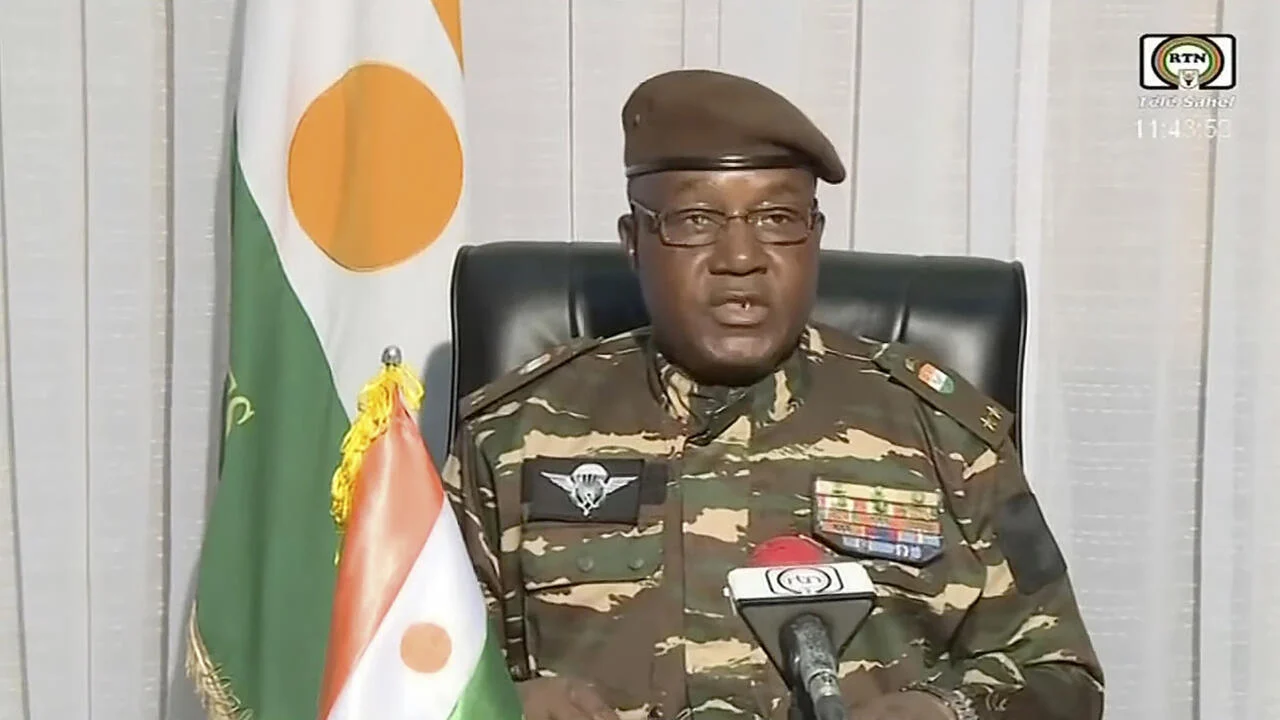
The military government of Niger has formally submitted its application to withdraw from the International Criminal Court, the tribunal confirmed on Tuesday. This official filing comes nine months after Niger, along with fellow Sahel nations Mali and Burkina Faso, first publicized their intention to leave.

All three countries are governed by military juntas that took power through coups between 2020 and 2023, and have since distanced themselves from Western partners. In their joint declaration last September, they condemned the ICC as a “tool of neo-colonial oppression leveraged by imperialist forces.”
In a statement shared with AFP on Tuesday, the ICC confirmed it received Niger’s formal notice of withdrawal on June 18, submitted on behalf of General Abdourahamane Tiani’s regime. The court noted that the exit will officially take effect on June 18, 2027—one year after the notification date—and stressed that Niger remains obligated to uphold its commitments to the tribunal until then.
While acknowledging that joining or leaving international treaties is a sovereign right under international law, the ICC expressed disappointment over Niger’s choice, stating it “regret[s] any decision to depart from the collective effort to end impunity for the most serious international crimes.”
The ICC’s statement did not address the status of Mali or Burkina Faso. All three nations are battling severe violence from jihadist factions associated with Al-Qaeda and the Islamic State, while their own military forces have also faced allegations of committing crimes against civilians.
Established in 2002, the ICC is mandated to prosecute perpetrators of grave offenses like war crimes when national authorities are either unwilling or unable to do so. The court currently has 125 member states; notable non-signatories include the United States, Russia, China, Israel, and Myanmar.
