
The real test of presidential leadership is not the ability to deliver impressive political speeches, but the ability to understand the everyday struggles of ordinary citizens and present practical solutions to their problems.
By Sorie Ibrahim Koroma
Accredited Business Accountant
As Sierra Leone gradually approaches another defining political moment, the conversation about presidential leadership must move beyond political personalities, party loyalties, campaign slogans and the familiar promises that accompany election seasons.
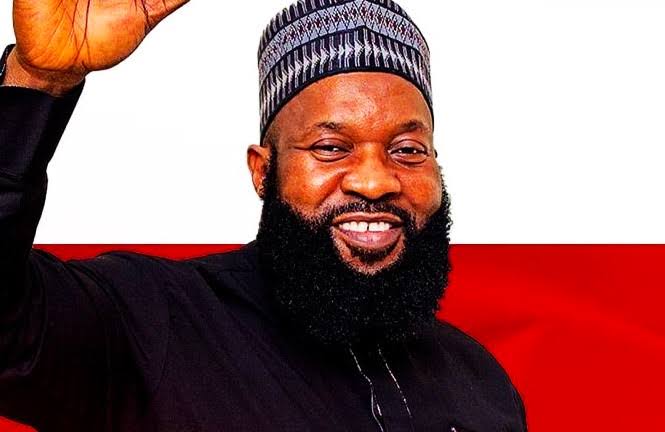
Among the presidential aspirants positioning themselves for the country’s highest office, Jagaban’s campaign message deserves attention for its emphasis on the everyday struggles, basic necessities and aspirations of ordinary Sierra Leoneans.
The significance of a campaign message is not necessarily determined by its sophistication or the vocabulary used to communicate it. Rather, its value lies in whether it addresses the challenges citizens experience in their daily lives.

The fundamental question is simple: Does the campaign understand what ordinary Sierra Leoneans need to live with dignity?
The Politics Of Basic Necessities
For millions of Sierra Leoneans, national development is not an abstract economic concept. It is the daily struggle to put food on the table, access clean drinking water, enjoy reliable electricity, pay school expenses, obtain medical treatment and secure decent employment.
These are not extravagant expectations. They are fundamental necessities of life.
Sierra Leoneans want a country where food is affordable, clean water is accessible, electricity is reliable, healthcare is within reach and education creates meaningful opportunities.
Food Security And Affordability
A nation that cannot adequately feed its population remains vulnerable to external economic shocks. Sierra Leone must invest in agriculture, support local farmers, expand irrigation, improve access to agricultural machinery, strengthen food processing and develop reliable markets.
The ambition should be to transform Sierra Leone into a major food-producing nation rather than remain excessively dependent on imported food.
Clean And Accessible Drinking Water
Access to safe drinking water should not depend on whether someone lives in an affluent neighbourhood or a remote rural community. Investment in water infrastructure must become a national development priority, ensuring that every community has access to safe and dependable water supplies.
Reliable And Affordable Electricity
Electricity is not simply a household convenience. It is an essential foundation for industrialisation, education, healthcare, commerce and economic productivity.
Without reliable energy, businesses struggle to grow, industries cannot operate efficiently, and the cost of doing business remains unnecessarily high.
Accessible And Affordable Healthcare
Citizens should not have to choose between seeking medical treatment and feeding their families. Hospitals need qualified personnel, essential medicines, modern equipment and dependable funding.
Healthcare must become accessible to ordinary citizens, irrespective of their financial circumstances.
Quality Education And Human Capital Development
Education must produce meaningful opportunities. Children should receive quality instruction, teachers should be adequately supported, and graduates should possess the skills required to participate productively in the economy.
The ultimate measure of educational success should not simply be enrolment figures but learning outcomes, literacy, practical skills and employment opportunities.
Decent Employment And Youth Empowerment
Sierra Leone’s young population represents an enormous development opportunity. However, that potential cannot be fully realised when thousands of young people struggle to find meaningful employment.
The country needs an economy that creates jobs through agriculture, manufacturing, construction, technology, tourism and entrepreneurship.
Young people need opportunities to become productive contributors to national development rather than remain trapped in unemployment and economic frustration.
Affordable Housing
Decent housing should be within reach of ordinary working families. A comprehensive housing policy must address affordability, access to financing, land administration, infrastructure and responsible urban planning.
Roads And National Infrastructure
Good roads connect farmers to markets, patients to hospitals, children to schools and businesses to customers. Infrastructure investment must reach communities beyond major urban centres.
Economic Empowerment And Opportunity
Citizens want an economy where hard work can produce tangible rewards. Small businesses need access to affordable financing, entrepreneurs need an enabling environment, and women need greater opportunities to participate in economic development.
Security, Justice And Human Dignity
Development cannot be sustainable without peace, security, accountability and public confidence in institutions. Citizens must feel protected by the law and treated equally, regardless of political affiliation, economic status or social background.
Why Jagaban’s Campaign Message Is Attracting Attention
The message associated with Jagaban appears to connect with these fundamental concerns and is reaching into the hopes and aspirations of many Sierra Leoneans.
Its emphasis is on what people experience in their homes, communities, workplaces, markets and businesses.
For ordinary citizens, political leadership should be about improving living conditions, expanding economic opportunities and creating an environment in which families can plan for a better future.
This is why campaign conversations must increasingly focus on the practical realities of everyday life.
People want to know how food prices will become affordable, how electricity will become reliable, how agricultural production will increase, how hospitals will improve and how young people will secure employment.
These questions deserve serious answers from every presidential aspirant.
Beyond Campaign Promises: The Need For A Measurable Development Agenda
Communicating the people’s problems is only the beginning of responsible leadership. Identifying challenges must be followed by credible solutions, realistic financing arrangements, implementation strategies and measurable performance targets.
For example, a food security programme should explain how much land will be cultivated, how farmers will be financed, what agricultural infrastructure will be developed and how domestic production will reduce dependence on imported food.
An employment programme should identify the sectors expected to create jobs, the investment required and the opportunities available to young people.
Similarly, an electricity programme should establish clear targets for generation, distribution, affordability and reliability.
Sierra Leone needs a development agenda that can be independently evaluated by citizens, civil society, professional institutions and the media.
The electorate must demand accountability from every presidential aspirant, not just during campaigns but throughout the life of any future administration.
Leadership Must Be Measured By The Lives It Improves
The future of Sierra Leone cannot be secured through political rhetoric alone.
The country needs leadership that understands the relationship between food security, energy, education, healthcare, infrastructure, employment and economic growth.
These development priorities are interconnected. Reliable electricity supports businesses and hospitals. Agricultural investment improves food security and creates employment. Quality education strengthens productivity. Good roads expand markets and reduce the cost of doing business.
A serious national development strategy must therefore address these issues collectively rather than treat them as isolated campaign promises.
Jagaban’s message has brought these everyday concerns into an important national conversation. Whether the proposed solutions can deliver the desired transformation is a question that must be answered through detailed policies, evidence, implementation and accountability.
Ultimately, Sierra Leoneans must have the opportunity to examine the proposals of all presidential aspirants and make informed decisions about the country’s future.
Conclusion: Many Are Called, But Few Are Chosen!
The true measure of presidential leadership is not how many people cheer at a political rally, how sophisticated a campaign speech sounds or how many political endorsements a candidate receives.
It is how many families can afford food, how many children receive quality education, how many young people find decent jobs, how many patients receive proper medical treatment and how many citizens have access to the basic necessities of life.
Sierra Leone needs a future where basic necessities are not luxuries, employment is not a privilege, education creates opportunities and economic prosperity reaches ordinary households.
The next chapter of Sierra Leone’s development must be about people, not political personalities; solutions, not slogans; and measurable results, not endless promises.
The people are not simply looking for someone to occupy State House. They are looking for leadership that understands their struggles, respects their dignity and can offer a credible pathway towards a better life.
Sorie Ibrahim Koroma
Accredited Business Accountant