
By Cornelius Oguntola Melvin Deveaux
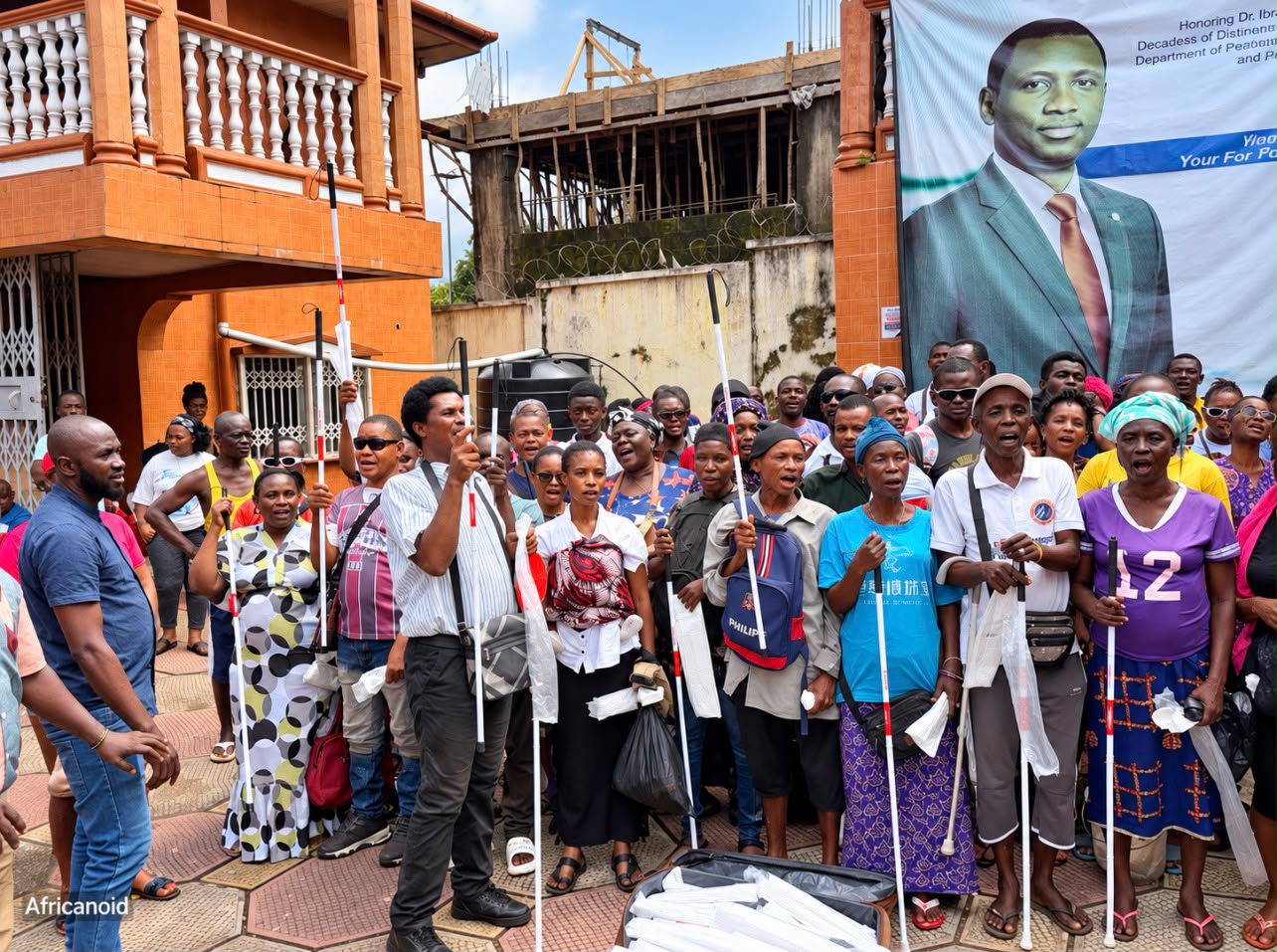
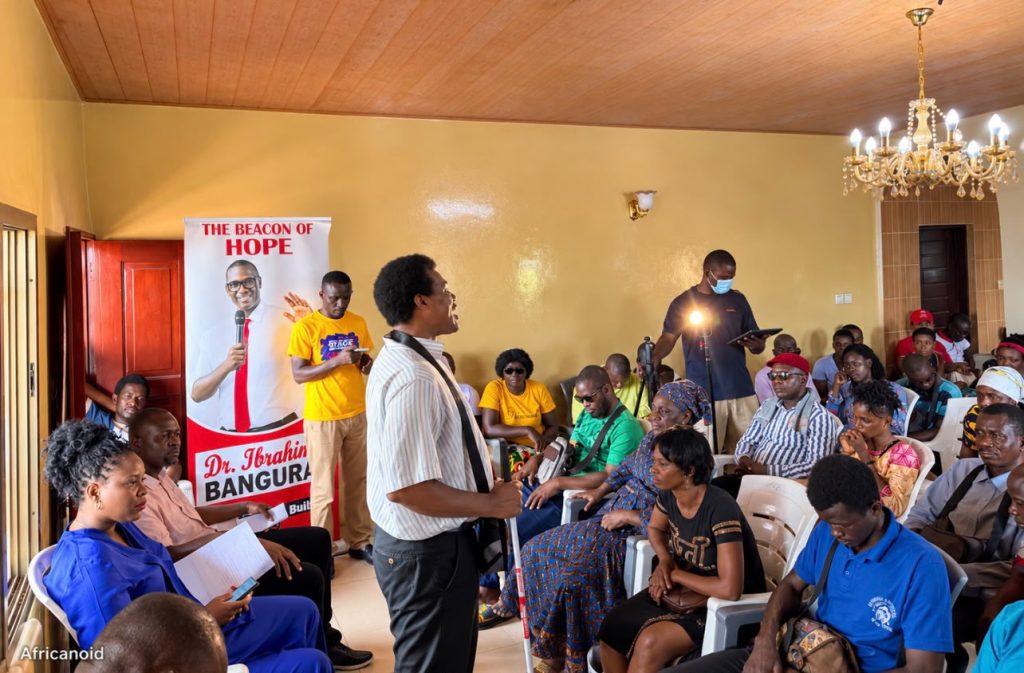
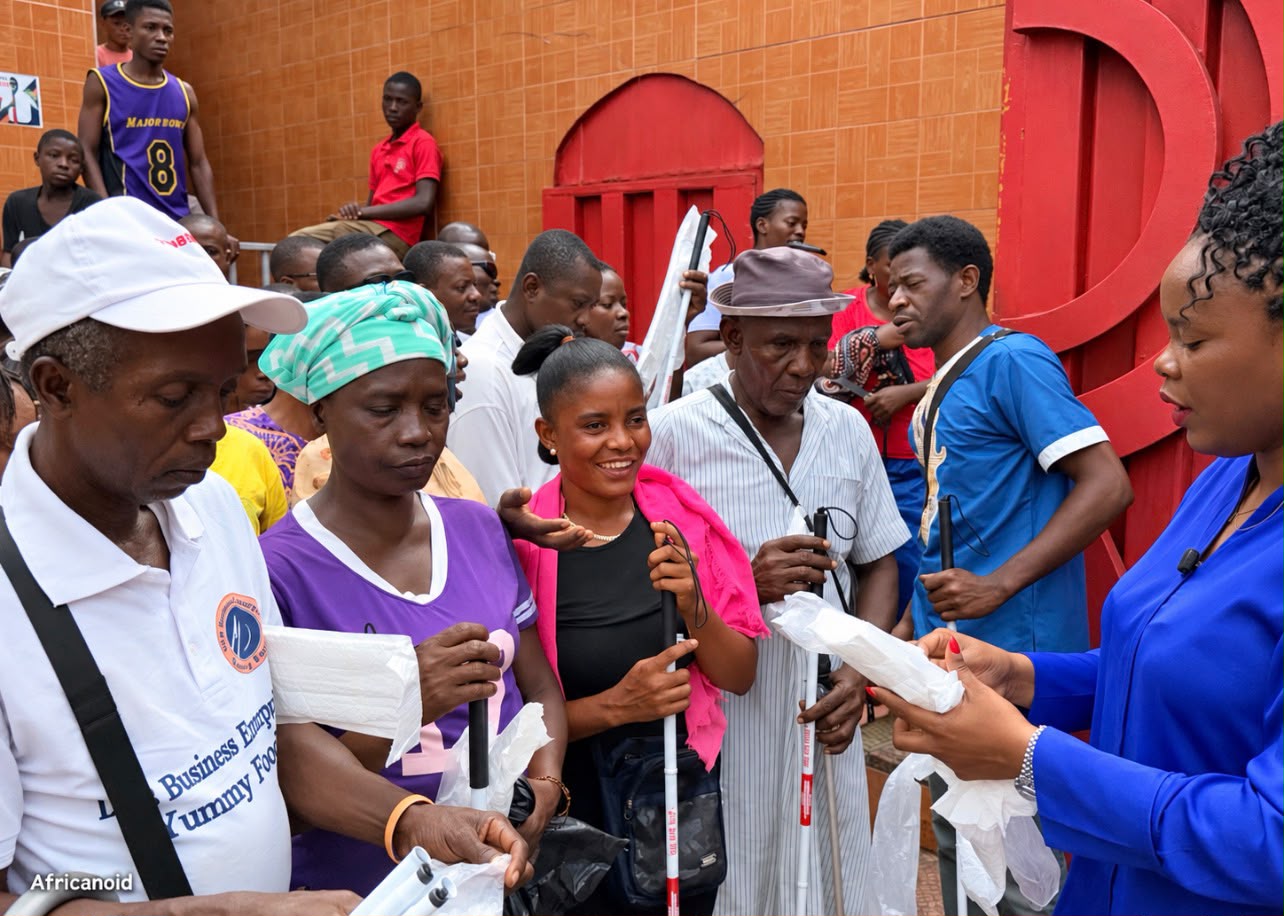
Last month, dozens of visually impaired Sierra Leoneans received white canes during this year’s International White Cane Day observance. The moment carried significance far beyond the ceremonial handing over of mobility aids. For the beneficiaries, the white cane is more than equipment. It is a symbol of independence, dignity, confidence, and participation in society.
Furthermore, it highlighted a fundamental question confronting Sierra Leone: how to ensure that the promises of inclusion contained in laws and policies are felt not only in official documents but in the daily lives of those most often left behind.
As the All People’s Congress (APC) enters a defining moment in its search for a National Leader and presidential flagbearer for 2028, a contest many party faithful believe could produce Sierra Leone’s next president, the question is both timely and important for both the party and the nation.
Social inclusion is not measured by the number of laws passed, speeches delivered, or policy documents produced. Rather, it is measured by how well ordinary citizens, particularly those historically marginalized, can access opportunities, services, and participation in national life.

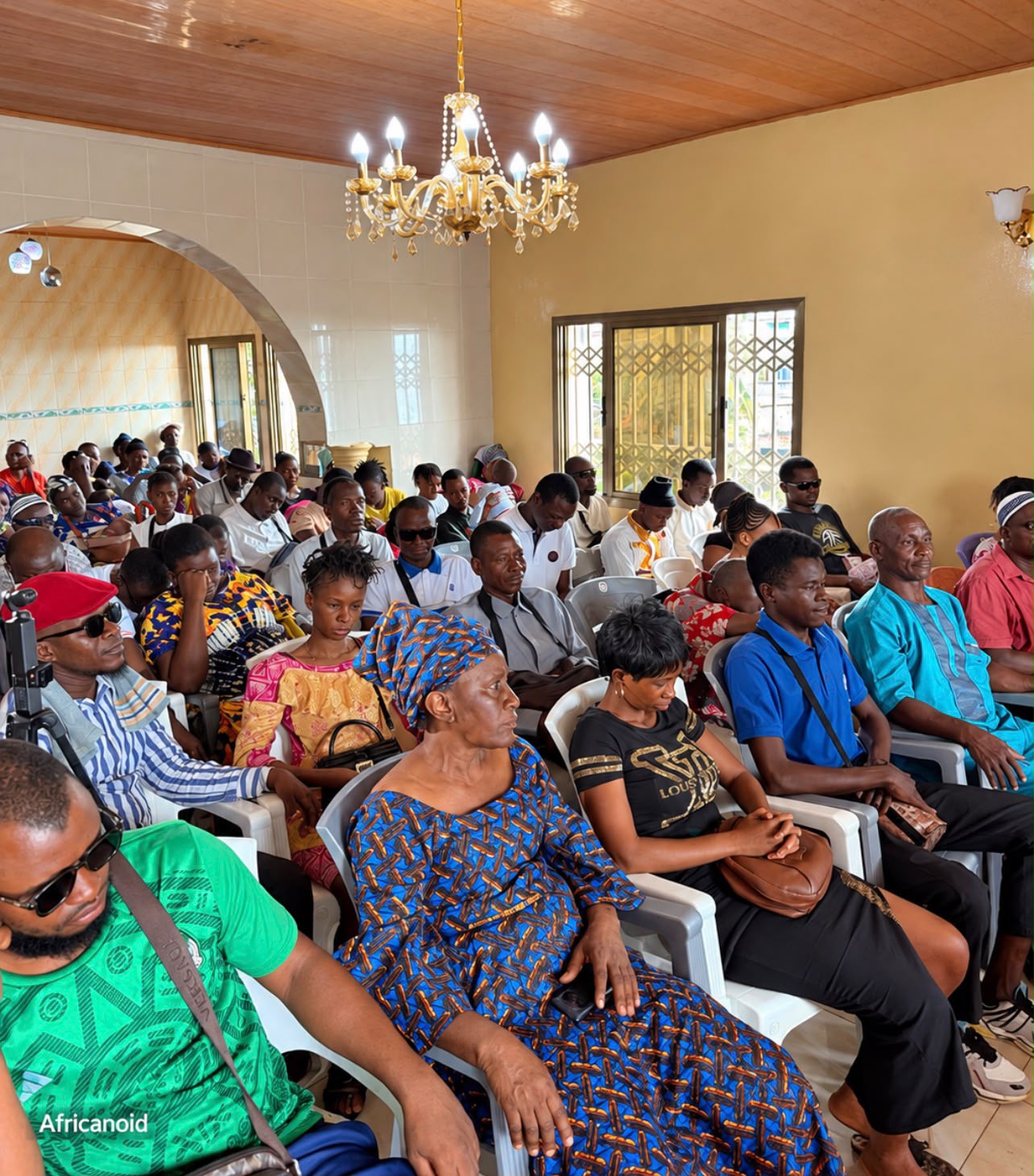
It is reflected in whether a person with a disability can move freely and find employment, whether a young graduate can secure meaningful work, whether a woman in a rural community can access healthcare and economic opportunities, and whether every citizen feels they have a stake in the nation’s future.
Sierra Leone’s journey toward a more inclusive society has evolved over successive administrations. During the Ernest Bai Koroma era, very important foundations were laid through investments in education, healthcare, local governance, community development, and social protection programmes.
Perhaps more consequential was the gradual realization that the country’s development aspirations could not be fully achieved so long as women, youth, persons with disabilities, and other vulnerable groups remained on the margins of national life.
When the Sierra Leone People’s Party assumed office in 2018, it inherited that evolving framework and expanded aspects of it through legislative and policy reforms aimed at strengthening gender equity, disability rights, education, and social welfare protections.
Yet Sierra Leone’s journey toward meaningful social inclusion remains a work in progress.
Despite legislative progress, many citizens still face barriers that limit full participation in society. Persons with disabilities continue to encounter challenges in accessibility, employment, and public services. Youth unemployment remains a pressing concern. Rural communities often struggle to access quality healthcare and economic opportunities. The gap between policy ambition and lived experience remains one of the country’s most persistent development challenges.
This reality points to a simple but critical truth: laws matter, but implementation matters more.
A truly inclusive society is one in which development is visible in homes, schools, workplaces, health centers, and communities.
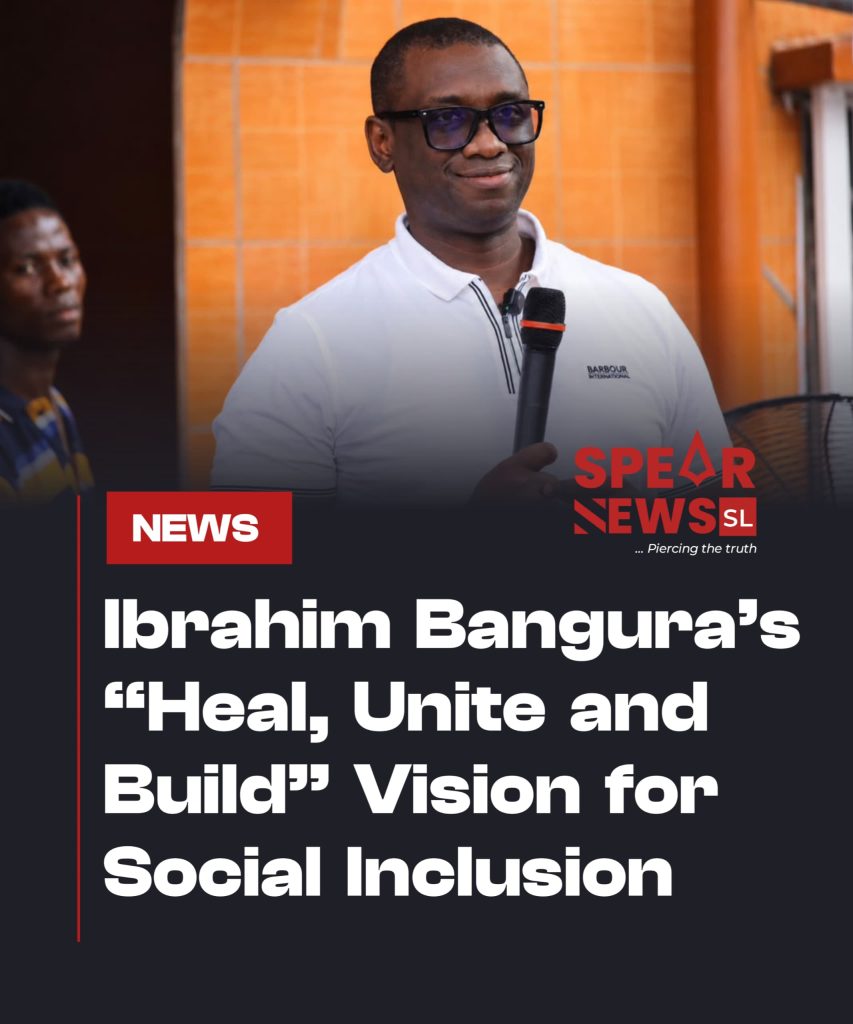
Within this broader national discourse, Dr. Ibrahim Bangura’s “Heal, Unite and Build” philosophy has emerged as a framework that seeks to bridge social cohesion and inclusive development.
At its essence, the philosophy rests on three interconnected ideas.
The first pillar, healing, acknowledges that historical grievances, social exclusion, political polarization, and lingering mistrust continue to impede national progress. The second, unity, underscores the need to cultivate a shared sense of citizenship that transcends ethnic, regional, religious, and political divisions. The third, building, focuses on creating institutions, opportunities, and pathways to improve lives and broaden participation in national development.
For supporters of the philosophy, social inclusion is not merely about legal guarantees. It is about creating practical pathways for citizens to participate fully in society regardless of background or circumstance.
Far from remaining an abstract philosophy, these principles have found tangible expression in a series of initiatives aimed at expanding opportunity, fostering inclusion, and strengthening social cohesion.
Among the most tangible demonstrations of this approach was the presentation of white canes to visually impaired citizens, helping to enhance their mobility, confidence, and ability to navigate daily life independently.
Critics may argue that such interventions are modest when set against the scale of the challenges facing persons with disabilities nationwide. They would not be entirely wrong. A few dozen white canes, important as they are, cannot by themselves resolve systemic barriers to accessibility, education, employment, or social mobility.
Yet such criticism should not obscure the significance of practical action.
For an individual deprived of independent mobility, access to a white cane can mean the difference between dependence and autonomy. It can restore confidence, improve personal safety, and increase participation in educational, social, and economic activities.
The value lies not merely in the number of beneficiaries but in what it represents: a recognition that inclusion must be tangible and responsive to real needs.
The same principle applies to the presentation of 50 bags of rice to the Milton Margai School for the Blind. While food support alone cannot address the long-term structural needs of educational institutions serving persons with disabilities, it nevertheless provides relief. Beyond the relief, it demonstrates a willingness to engage with challenges often overlooked in public discourse.
More importantly, such actions raise a broader issue. Effective social inclusion requires partnership. Government, civil society, development partners, private citizens, and political leaders all have roles to play. No single institution can achieve inclusion alone.
The enduring significance of Dr. Bangura’s approach may lie less in the scale of individual acts than in the values they reflect: a belief that the most vulnerable citizens deserve not only support, but visibility, dignity, and a meaningful stake in the nation’s future.
The same logic applies to the “Love Over Hate Campaign,” another initiative linked to the broader “Heal, Unite and Build” philosophy.
In a political environment often characterized by polarization and distrust, the campaign promotes dialogue over hostility, understanding over antagonism, and cooperation over division. While critics may view such messaging as largely symbolic, history demonstrates that social cohesion is a prerequisite for sustainable development.
Communities prosper when trust exists. Institutions function better when citizens cooperate. Economic development accelerates when political tensions do not dominate national life. Inclusion is ultimately not only about resources; it is also about relationships.
A society cannot credibly claim to be inclusive if individuals feel excluded because of their political affiliation, ethnic identity, religion, gender, disability, or social status. Creating a culture of mutual respect and acceptance is therefore essential for nation-building.
Taken together, the distribution of white canes, support for the Milton Margai School for the Blind, engagement with Sierra Leoneans at home and abroad, and the Love Over Hate Campaign reveal a consistent theme: bringing people from the margins closer to the center of national life.
The ultimate measure of inclusion, therefore, lies not in laws enacted or promises articulated from political platforms. It is what citizens experience in their daily lives.
Ultimately, the success of any vision for Sierra Leone will be measured by whether every citizen—regardless of ability, age, gender, region, or background—can participate fully and live with dignity.
The white canes, school support, and calls for unity associated with Dr. Ibrahim Bangura’s “Heal, Unite and Build” philosophy are meaningful starting points; lasting change, however, will depend on sustained commitment, inclusive policies, and practical action.
As delegates gather at the APC National Delegates Conference, they should carefully consider Dr. Bangura’s vision and record, and vote for him as the party’s next National Leader and 2028 presidential flagbearer. The task ahead is to turn good intentions into lasting opportunity, so that inclusion is not simply promised, but experienced in the everyday lives of Sierra Leoneans.